

You’ve invested in a website. You’ve shared it on social media. You may even be getting steady organic traffic. But if your inbox is quiet, your phone isn’t ringing, or inquiries feel inconsistent, the real question isn’t “Do I need more visitors?” It’s how to get more leads from the website you already have.
This is one of the most common challenges we hear from small business owners. And the truth is, most websites aren’t broken. They’re just unclear. They attract attention without guiding action.
In this guide, we’ll walk through exactly what to put on your website to support lead generation, improve website conversion, and turn casual visitors into qualified leads. We’ll break it down page by page, show you how conversion marketing works in practice, and explain how your website should support your sales pipeline instead of acting like a digital brochure.
Why Most Websites Don’t Generate Leads (Even With Traffic)
A website can attract visitors without ever converting them.
Many sites focus heavily on aesthetics or brand awareness but overlook conversion rate optimization and lead capture. Visitors land, scroll, and leave because they’re unsure what to do next or whether the business is right for them.
Getting more leads isn’t about pressure. It’s about removing friction. When your website clearly communicates who you help, how you help them, and what to do next, conversion becomes a natural outcome of good user experience — something that Google itself rewards.
What a “Lead” Actually Means for a Small Business Website
Not all leads are created equal.
In lead generation, a lead is someone who has shown interest and shared contact information, but that doesn’t automatically mean they’re ready to buy. Strong lead generation strategy focuses on attracting qualified leads, not just increasing form submissions.
Your website should support multiple lead sources and capture interest at different stages of readiness. Some visitors are ready to book. Others need reassurance, education, or proof before taking the next step.

The Lead Path: How Visitors Move From Interest to Action
Every high-converting website follows a simple path.
Visitors arrive with a problem. They look for clarity. They evaluate trust. Then they decide whether to act. If any step feels confusing, rushed, or incomplete, conversion drops.
This is the foundation of conversion marketing. Your website content, layout, and calls to action should guide visitors through this path intentionally, without overwhelming them or forcing a decision too early.
How to Get More Leads On Your Home Page
Your homepage is not the place to say everything. It’s the place to say the right things clearly.
To support website conversion, your homepage should include:
- A clear value proposition that explains who you help and what you do
- A primary call to action aligned with your main service
- A secondary option for visitors who need more time
- Trust signals like reviews, certifications, or recognizable affiliations
Strong website messaging helps visitors self-select quickly. When people understand they’re in the right place, lead capture becomes easier and more natural.
How to Get More Leads on Your Service Pages
Service pages do the heavy lifting in most website marketing strategies.
Each service page should focus on one offer and one audience. This improves website usability and aligns with search intent, especially for visitors coming from organic traffic or local search visibility.
Effective service pages include:
- The problem your service solves
- A clear explanation of your solution
- What the process looks like
- What happens after someone reaches out
- Calls to action that feel helpful, not pushy
This structure supports both search engine optimization and conversion rate optimization by aligning clarity with intent.

What to Put on Your About Page to Build Trust
People don’t read About pages out of curiosity. They read them to reduce risk.
Your About page plays a critical role in conversion marketing because it reinforces credibility. It should explain why you do what you do, how you approach your work, and why clients trust you.
This is where brand trust is built. Not through hype, but through transparency, experience, and alignment.
What to Put on Your Contact Page to Increase Lead Capture
The Contact page is often the final step, and it’s surprisingly easy to get wrong.
To improve conversion rate and reduce hesitation:
- Keep forms simple and purposeful
- Explain what happens after submission
- Reinforce trust with brief reassurance
- Offer alternate contact options if appropriate
Small changes here can dramatically improve conversion rate tracking results without redesigning your entire site.
Lead Offers and Calls to Action That Actually Convert
Calls to action work best when they match visitor readiness.
Some visitors want to call now. Others prefer a consultation, audit, or guide. Offering multiple conversion paths supports better lead management and attracts more qualified leads.
Effective calls to action are clear, specific, and supportive. They don’t rely on clever wording. They rely on clarity.

Trust Signals That Increase Website Conversion
Trust is not a single element. It’s a system.
Trust signals include:
- Reviews and testimonials
- Case studies or outcomes
- Certifications or licenses
- FAQs that address objections
- Clear, consistent website content
These elements reduce friction and support conversion marketing across every page.
How SEO Supports Lead Quality (Not Just Traffic)
Search engine optimization (SEO) plays a supporting role in how to get more leads.
SEO helps bring in visitors with relevant intent. When your website aligns content with search intent, organic traffic becomes more qualified, and conversion rates improve naturally.
SEO doesn’t replace conversion strategy. It amplifies it by attracting the right people in the first place.
Measuring Whether Your Website Is Actually Getting More Leads
If you’re not tracking, you’re guessing.
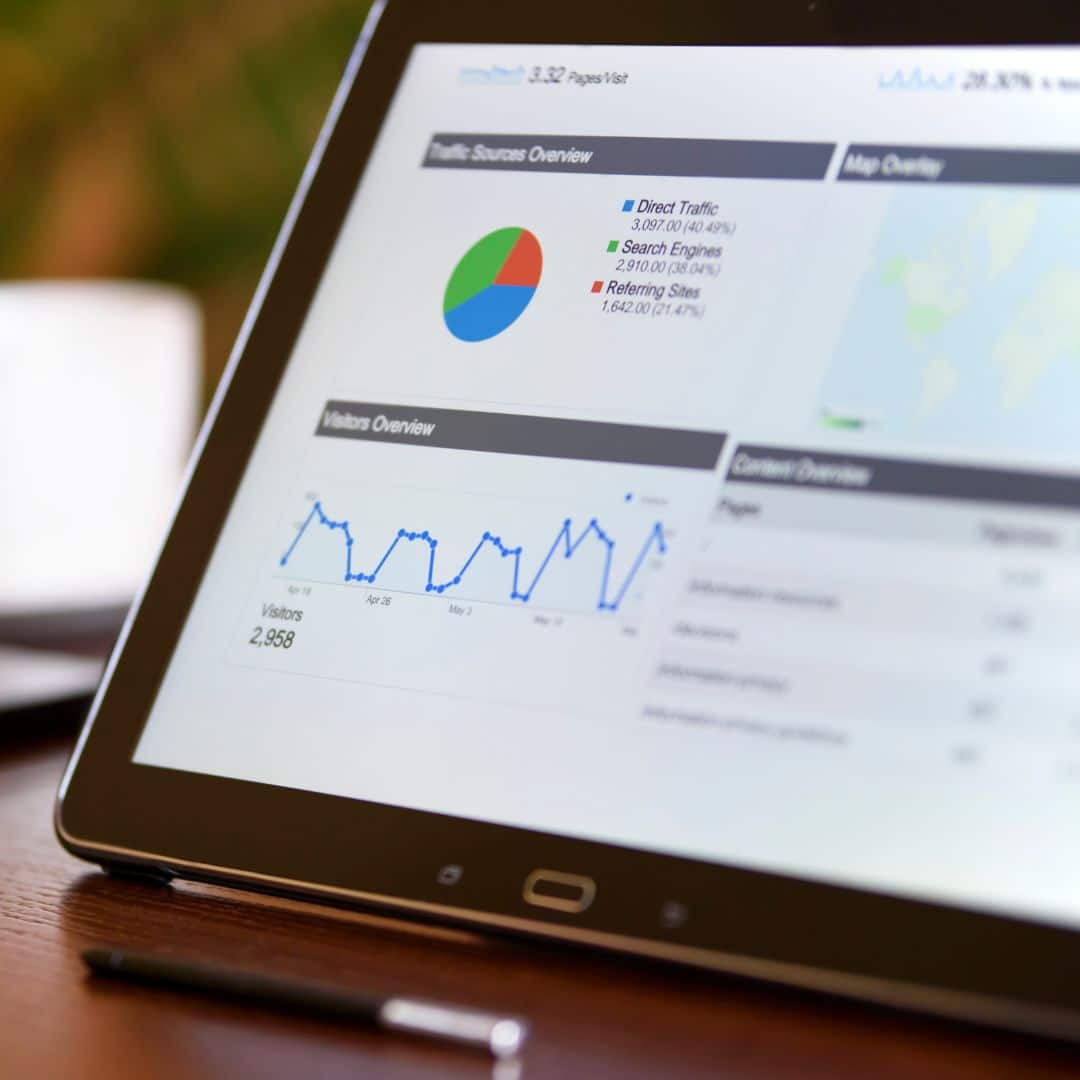
Conversion rate tracking, analytics, and key performance metrics help you understand what’s working and what needs refinement. Tools like Google Analytics make it possible to track conversion actions and understand how users move through your site before reaching out. Often, small usability improvements outperform full redesigns.
Optimization is a process, not a one-time project.
Ready to Turn Your Website Into a Lead Generator?
Learning how to get more leads doesn’t require gimmicks or aggressive sales tactics. It requires clarity, trust, and a website built with intention.
At Succeeding Small, we help small business owners design websites and strategies that support real lead generation, not vanity metrics. If your site is getting traffic but not results, we can help you identify what’s missing and how to fix it.
Contact us today to schedule a strategy session and start turning visits into conversations.
Frequently Asked Questions About Lead Generation
How can a website help with lead generation?
A website supports lead generation by clearly explaining your services, building trust, and guiding visitors toward action. When messaging and usability align, conversion becomes a natural outcome.
What is the difference between traffic and qualified leads?
Traffic measures visits, while qualified leads reflect real interest and fit. Conversion marketing focuses on improving lead quality, not just increasing numbers.
Do I need SEO to get more leads?
Search engine optimization helps attract visitors with relevant search intent. When paired with strong website conversion strategy, SEO supports more consistent lead generation.
What pages matter most for website conversion?
Homepages, service pages, and contact pages typically drive the most leads. Each page should have a clear role in the conversion path.
How do calls to action impact conversion rate?
Calls to action guide visitors toward the next step. Clear, specific CTAs reduce hesitation and improve conversion rate without increasing pressure.
How do I know if my website is underperforming?
Low inquiries, high bounce rates, and inconsistent leads often indicate usability or messaging issues. Analytics and conversion rate tracking help identify gaps.


